
PART 2 : To Game or Not to Game: How Gaming Can Help Mental Health
Part 2 : A co-written blog series with Shannon Hayner, Author of Surviving Creative Evolution In my recent blog, I talked a bit about how much I love the research surrounding Gaming as a Space for Creative Expression and Diversity in a world where the narrative around gaming is shifting from skepticism to recognition. I feel blessed to be in a position to speak about this as I myself have been in some small way part of this industry as Lady D in the Resident Evil gaming world. To recap: In today’s rapidly evolving digital landscape, gaming has emerged as a form of entertainment and a powerful platform for creative expression and promoting diversity.
This evolution enriches the gaming industry with new stories and perspectives. It promises to profoundly impact mental health, fostering a global community where everyone feels seen, heard, and valued.
Debunking Myths about Gaming
The narrative surrounding video games has long been mired in controversy, with early concerns focusing on potential addiction and negative impacts on mental health. This perspective gained traction in the late 20th century as video gaming became more mainstream, often depicted as a solitary and escapist pursuit leading to social isolation, poor academic performance, and even aggressive behavior. The image of the gamer as an antisocial individual, detached from reality, became a prevalent stereotype.
However, this one-dimensional portrayal ignores the complex relationship individuals have with gaming. In recent years, a more nuanced understanding has emerged, thanks in part to a growing body of research examining the effects of gaming from a psychological standpoint.
Challenging the Addiction Narrative
Contrary to the addiction narrative, studies are increasingly highlighting the benefits of gaming, including its potential to improve cognitive skills, enhance problem-solving abilities, and foster social connections. For instance, studies suggest that people who play video games, even for a considerable amount of time, tend to report feelings of well-being and happiness. This contradicts the notion that extensive gaming inherently leads to addiction or mental illness.
Statistical Insights
Psychology Today states, "A gaming disorder, sometimes referred to as “video game addiction,” is a pattern of game-playing behavior—involving online gaming or offline video games—that is difficult to control and that continues unabated despite serious negative consequences in other areas of the gamer’s life.” It's crucial to highlight that most video game players do not develop a gaming disorder. Indeed, the criteria for what constitutes "gaming disorder" are still the subject of much debate among psychologists and researchers, reflecting the complexity of gaming's impact on mental health.

Moreover, a comprehensive study from Oxford University analyzing the gaming habits and well-being of thousands of players found little to no correlation between the amount of time spent gaming and adverse psychological outcomes. Instead, the study suggests that how individuals engage with games—whether they find them fulfilling and whether they can balance gaming with other life activities—is more critical to their overall well-being.
Lead researcher Dr. Simona Skripkauskaite, from the Oxford Departments of Experimental Psychology and Psychiatry, stated: "These findings suggest that, rather than worrying about the time spent playing video games, we should explore the opportunity of video gaming as a potential tool to find more affordable, creative and less stigmatizing ways to reach and help adolescents experiencing emotional and behavioral difficulties.”
The Shift in Understanding
This shift in understanding reflects broader changes in how we perceive digital interactions and their role in our lives. Gaming, once seen as a potentially addictive and isolating activity, is now recognized for its capacity to bring joy, foster community, and even serve as a valuable tool for learning, stress relief, and mental health management.
As we continue to debunk the myths surrounding video gaming, it becomes clear that the conversation is not about vilifying or glorifying gaming but understanding its multifaceted role in human behavior and mental health. By focusing on balanced and mindful gaming practices, we can appreciate the positive aspects of gaming while remaining vigilant about potential pitfalls.
This evolving perspective encourages a more balanced and informed dialogue about video games, paving the way for further research and understanding their impact on our well-being.
Stress Relief and the Art of Healthy Escapism
The world outside is fraught with challenges, deadlines, and expectations. Inside the gaming universe, however, stress melts away, replaced by challenges of a different kind—ones that we have more control over. Here, failure is merely a stepping stone to improvement, not a reflection of our worth. The act of overcoming obstacles, solving puzzles, and achieving in-game goals triggers a release of dopamine, the feel-good neurotransmitter, offering a natural and healthy form of stress relief.
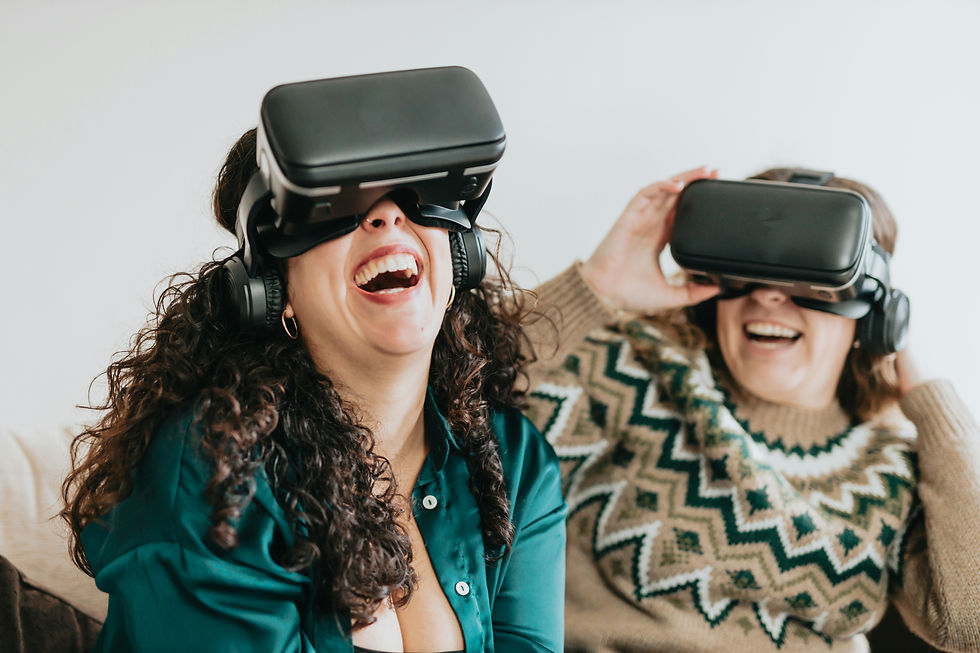
Moreover, the idea of "healthy escapism" comes to the fore. Engaging in video games allows us to temporarily step away from the pressures of daily life, offering a mental breather that can boost our mood and reduce anxiety. It's a controlled, safe environment where we can explore, experiment, and express ourselves without fearing real-world repercussions.
A Community Connection
Far from the antisocial stereotype, gaming is a profoundly social activity in the modern era. Online multiplayer games and gaming communities offer a space for social interaction, collaboration, and even friendship. For many, these digital interactions provide a sense of belonging and support as real and valuable as any found offline.
Moderation: The Key to Balance
As with the finest things in life, moderation is paramount. The benefits of gaming are most pronounced when it's part of a balanced lifestyle—one that includes physical activity, social interactions outside of the digital realm, and other forms of relaxation and leisure. It's about finding the proper equilibrium that allows us to reap the rewards without falling into excessive playtime, which could detract from other aspects of life.
Recent Research Insights: The Positive Impact of Mobile Gaming on Well-being
Recent research by Shinichi Yamaguchi in 2023 has illuminated the complex relationship between mobile gaming and psychological well-being among Japanese adolescents and adults. This study reveals that mobile gaming, far from being merely a pastime, can significantly enhance well-being through stress relief and social interaction.
Understanding the Role of Need Satisfaction and Motivation
In psychology, the concept of need satisfaction is pivotal to understanding human motivation and well-being. It’s grounded in self-determination theory (SDT), which states that individuals are driven by intrinsic needs that, when fulfilled, lead to higher levels of well-being and life satisfaction. These needs include autonomy, competence, and relatedness, each playing a crucial role in our pursuit of happiness and fulfillment.
How Gaming Fulfils Psychological Needs
Gaming uniquely addresses these core needs in ways that many everyday activities cannot. For autonomy, gaming offers a world where choices matter, and players have control over their actions and decisions, providing a sense of personal agency.
Competence is met through the challenges and milestones inherent in games, where each level passed, and boss defeated serves as a testament to the player's skill and growth.
Finally, relatedness—the need to feel connected to others—is fulfilled through multiplayer experiences and gaming communities where players share experiences, victories, and setbacks.
Balancing Gaming and Life
Achieving a balanced approach to gaming involves setting healthy boundaries and integrating gaming into a broader spectrum of life activities.
This balanced approach starts with establishing specific time limits for gaming to avoid prolonged sessions and prioritizing responsibilities to ensure gaming complements rather than dominates life. Diversifying interests by cultivating hobbies outside of gaming can enhance overall life experiences, contributing to mental and physical well-being.
Maintaining a balance between online gaming and in-person relationships is essential, encouraging a well-rounded social life. Engaging in mindful gaming, where one is conscious of the game's impact on mood and well-being, promotes healthier gaming habits.
By adopting healthy gaming habits, individuals can enjoy the benefits of gaming—such as joy, relaxation, and social connection—without the negatives, ensuring gaming remains a positive and enriching part of a well-balanced lifestyle.
I must ask: Are you a gamer? Or not? Either way, I don't judge. BUT - Do you get enough quality sleep? How about you join my community by answering a few questions? I'd like to
give you Better Sleep for a Year. I'm serious!
The Typeform below will open in a new window. Don't worry, I'm Anti-Spam and will never sell nor share your information.

**Better Sleep is an app by IPNOS. It's next-level Calm in my opinion!


Comments